

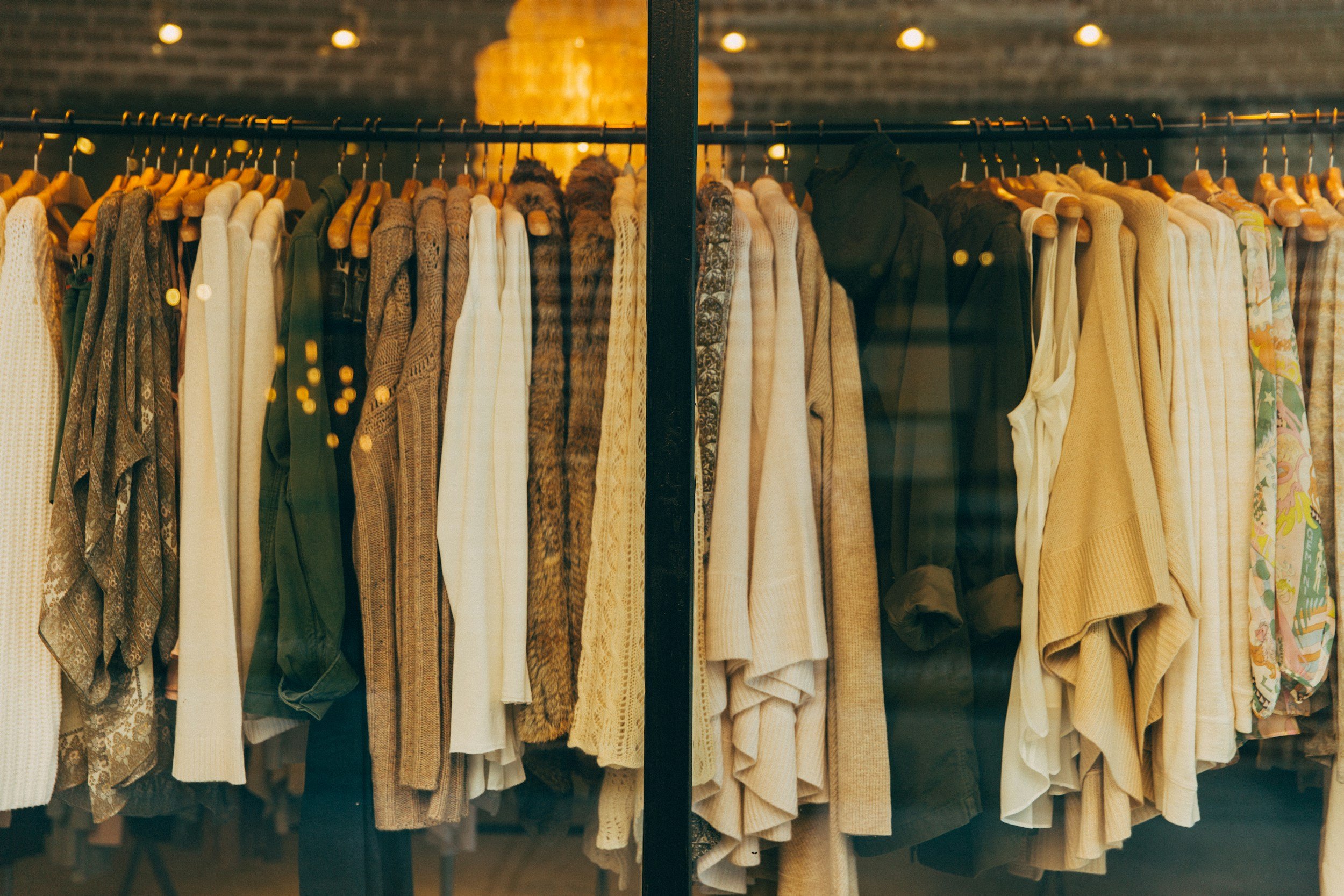
As 2025 wraps up, brands and talent are taking time to reflect on the year and prepare for what comes next. The pace of change has been fast, and the transition into 2026 is shaping up to be just as transformative. Careers are shifting, teams are adapting, and the products reaching consumers are being influenced by designers who are rethinking the creative process from start to finish.
One of the biggest shifts happening right now is the rise of hybrid creative roles. Designers are working across more areas of the business and expanding their skill sets. Many are building 3D concepts, testing digital prototypes, exploring AI-assisted research tools, and collaborating earlier with marketing and ecommerce teams. Versatility is becoming a major advantage for talent, and brands are placing a high value on adaptability and cross-functional communication.
Sustainability is also playing a larger role in the day-to-day work of product creation. Instead of sitting within a single department, sustainable thinking now informs decisions across design, production, sourcing, and merchandising. Knowledge of new materials, traceability, and circularity practices is increasingly important for candidates, and brands are applying these principles more consistently across their seasonal planning.
Digital and direct-to-consumer growth continued throughout 2025 and will remain a major focus in 2026. As a result, creative teams centered around ecommerce, content, social storytelling, and brand identity are expanding. These groups have more influence than ever on how consumers discover, interact with, and connect to products both online and in person.
Today’s most relevant trends, including modern tailoring, clean minimalism, nostalgia-driven graphics, and modular design, come from a blend of global inspiration and digital insights. Designers are drawing from travel, online communities, archival research, and real-time trend data. Many brands begin their collections with virtual concepts before moving into physical sampling, which speeds up development, reduces waste, and allows for more experimentation.
Cross functional Collaboration has also become a defining part of the design process. Teams now work closely across technical design, product development, sourcing, merchandising, and social media. This creates collections that feel more connected to what consumers are responding to on a daily basis. Throughout each stage, designers keep the end user in mind, thinking about wearability, lifestyle, storytelling, and how each piece fits into long-term brand direction.
As brands prepare for 2026, hiring priorities are shifting to match these new needs. Companies are searching for creatives with strong craftsmanship, digital fluency, curiosity, and the ability to collaborate across multiple functions. For talent, the end of the year is an ideal time to update portfolios, highlight process work, refine digital or 3D skills, and reconnect with their network.
The year ahead is full of potential. Creative teams are growing, product development is becoming more intentional, and opportunities continue to expand for both brands and individuals. At EB, we will continue to support this next chapter by helping talent find roles that match their strengths and helping brands build teams that can thrive in the years ahead.
