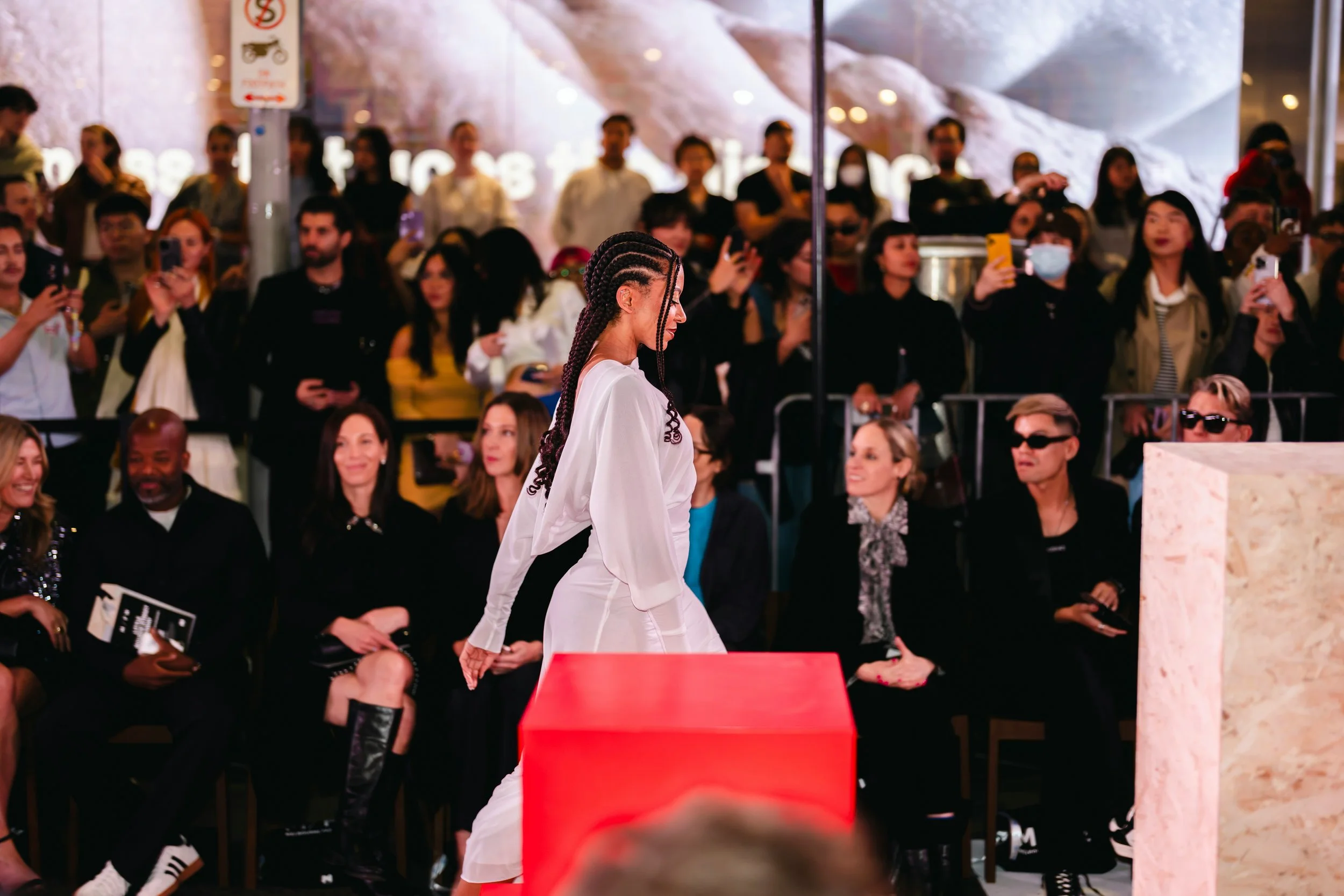
Fashion show

The People Behind Fashion's Biggest Names

The People Behind Fashion's Biggest Names

Every recognizable fashion brand has a creative vision that sets it apart. From the collections that appear on the runway to the campaigns that capture consumers' attention, bringing a brand's identity to life requires creativity, collaboration, and a team of talented professionals.

With the CFDA Fashion Awards taking place on November 2, the fashion industry is preparing to recognize the designers and creative leaders influencing American fashion. The annual event celebrates creativity, innovation, and the individuals whose work continues to shape the industry.

While designers and creative directors are often the most recognizable names associated with a fashion house, their success is supported by teams working across design, product development, merchandising, marketing, and operations. Each department plays an important role in transforming a creative vision into a successful brand.

Creative Leadership Sets the Direction

Strong creative leadership helps establish the identity of a fashion brand. Designers and creative directors influence everything from the aesthetic of a collection to the overall direction of the brand, creating a vision that resonates with consumers and evolves over time.

Bringing this vision to life requires a team that understands both the creative direction and the business behind it. Design teams collaborate on collections, explore new materials, and develop products that reflect the brand's identity. Product development and technical design professionals help translate those concepts into finished pieces while maintaining quality, fit, and consistency.

The relationship between creative leadership and the teams supporting it is essential. When everyone understands the direction of the brand, individual contributions come together to create a cohesive collection and customer experience.

The Talent Bringing Collections to Market

A successful collection involves much more than the initial design process. Once a creative concept is established, professionals across several departments work together to bring products from development to the customer.

Merchandising and buying teams help determine how collections are positioned, which products will resonate with consumers, and how assortments support the brand's business goals. Production and sourcing professionals coordinate the materials, manufacturing, and timelines needed to bring each product to market.

Marketing and creative teams then introduce these collections to consumers through campaigns, digital content, social media, and brand storytelling. Their work helps communicate the inspiration behind a collection while building connections between the brand and its audience.

Operations, ecommerce, and retail teams play an equally important role in making sure the customer experience reflects the brand's vision. Every stage of the process contributes to how consumers discover, experience, and connect with a brand.

Building a Team Around a Brand's Identity

As fashion brands grow, maintaining a consistent identity becomes increasingly important. Expanding into new categories, entering new markets, or introducing new creative leadership can create opportunities to bring additional expertise into the business.

Hiring decisions influence how successfully a brand navigates these changes. Beyond technical experience, finding professionals who understand the brand's aesthetic, values, and long-term direction helps create stronger collaboration across departments.

A marketing professional who understands a brand's voice, a merchandiser who recognizes its customer, or a product developer who can translate creative ideas into commercially successful products can all contribute to its continued growth.

The strongest teams bring together different perspectives and specialized skills while sharing an understanding of what makes the brand unique.

The People Behind the Recognition

The CFDA Fashion Awards offer an opportunity to celebrate the creativity and leadership that continue to move American fashion forward. The recognition also provides a reminder of the many professionals whose work contributes to the success of the industry's most influential brands.

At Emerging Blue, our experience within the fashion industry gives us an understanding of the people, skills, and collaboration involved in building successful brands. We partner with companies to identify talent across creative, product, merchandising, marketing, retail, and operational functions, with an emphasis on finding professionals who align with each brand's identity and goals.

Great creative leadership can define a brand's direction, but bringing that vision to life takes an entire team. The people working across every part of the business help turn creative ideas into the collections, campaigns, and experiences that shape the fashion industry.

More on the topic:
Beyond the Runway: The Talent Shaping the Intimates Industry

Beyond the Runway: The Talent Shaping the Intimates Industry

The Victoria's Secret Fashion Show has long been one of the most recognizable events in fashion, bringing together elaborate designs, memorable runway moments, and some of the biggest names in the industry. With the show returning this October, attention is once again turning toward the world of lingerie and intimates.

While the runway showcases the finished designs, the work behind each collection extends far beyond what audiences see. Designers, technical specialists, merchandisers, and creative teams all play a role in transforming an initial concept into a finished product.

The lingerie and intimates' industry is particularly unique because of the balance required between creativity and technical expertise. From fit and fabric selection to construction and functionality, each detail contributes to the final product and the experience of the person wearing it.

An Industry Built on More Than Design

Creating lingerie and intimates involves a level of precision that sets the category apart from many other areas of apparel. A successful design must not only reflect a brand's aesthetic but also deliver the comfort, support, and functionality customers expect.

Developing a bra, for example, requires careful consideration of fabric stretch, sizing, construction, and fit. Technical designers and fit specialists work closely with product development teams to ensure these elements come together without compromising the original design.

Consumer preferences add another layer to the process. Some shoppers prioritize everyday comfort and versatility, while others look for more fashion-driven pieces. Brands must understand their customers and adapt their collections, accordingly, often balancing familiar essentials with new designs and innovations.

Meeting these expectations takes more than a strong creative vision. It requires teams with the experience and technical knowledge to turn ideas into products that customers can rely on.

The Teams Bringing Collections to Life

The Victoria's Secret Fashion Show highlights the creative side of the industry, but developing a collection involves several departments working together long before a product reaches the runway or retail floor.

Design and product development teams establish the direction of a collection, working through initial concepts, materials, and construction. Technical designers, patternmakers, and fit specialists then focus on the details that influence how each garment fits, feels, and performs.

Merchandising and planning professionals bring a different perspective, considering customer demand, product assortments, and business goals. Their work helps brands determine which products to introduce, which styles to carry forward, and how to position collections within the broader business.

Once the product is ready, marketing and creative teams develop the campaigns and storytelling that introduce it to consumers. Runway events are one example of how brands use creative direction to build excitement and communicate their identity.

Retail and ecommerce teams complete the process by connecting customers with the finished products. Their understanding of the customer experience helps bring together the work completed across the business.

Why Industry Experience Matters in Hiring

The specialized nature of lingerie and intimates creates unique considerations when it comes to building a team.

Technical positions often require knowledge of specific construction methods, fabrics, sizing, and fit requirements. While professionals from other apparel categories may have transferable skills, experience working with intimates can be particularly valuable for roles where precision is essential.

Hiring needs also vary depending on a brand's product offering and target customer. A company focused on everyday essentials may have different merchandising and product development priorities than one specializing in luxury lingerie.

Beyond technical qualifications, understanding how a candidate's experience aligns with the brand's identity and direction is an important part of the recruiting process. The right hire should bring the skills needed for the position while also contributing to the team's broader goals.

Understanding the Brands Behind the Industry

Every brand approaches the lingerie and intimates category differently, making industry knowledge an important part of identifying the right talent.

Through recruiting partnerships with brands such as Felina, ThirdLove, and Cosabella, EB has gained experience working within a category where product expertise and brand identity are closely connected.

Understanding what makes each company unique is central to our recruiting approach. We look beyond job titles and qualifications to learn about the products, customers, culture, and goals that shape a business.

Whether a brand is expanding its product offerings, strengthening an existing department, or preparing for future growth, connecting with professionals who understand its needs can make a meaningful difference.

Beyond the Runway

As the Victoria's Secret Fashion Show brings attention to the lingerie and intimates' industry, the event also offers an opportunity to recognize the work happening behind the scenes.

The finished designs represent the combined efforts of professionals across creative, technical, and business functions. Their expertise helps brands turn ideas into products, build relationships with customers, and continue evolving in a competitive industry.

For companies looking to build or strengthen their teams, finding people who understand both the product and the brand remains an important part of long-term success.

Related blog posts